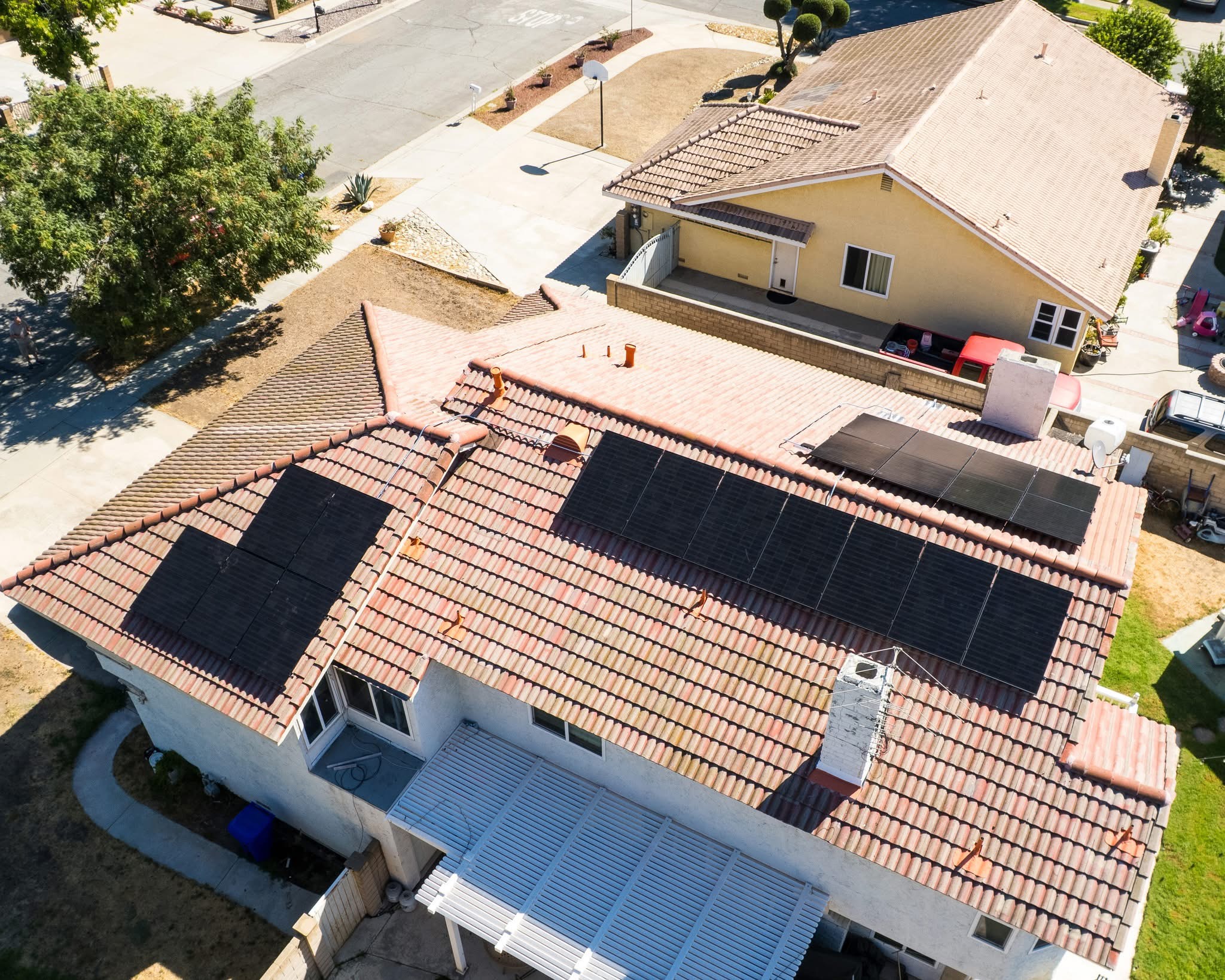
California has some of the most valuable solar incentives in the country. Here is a clear breakdown of what is available, what has changed, and how Propel Financing by Concert Finance captures a tax credit advantage that standard residential loans can no longer access.
The incentive stack for California homeowners has shifted significantly in 2026. The federal residential ITC expired, but several state and utility programs remain in place — and Propel Financing provides a structural path to capture equivalent federal commercial credit value.
Concert Finance's temporary commercial ownership structure enables access to the commercial-tier clean energy investment tax credit — a credit the residential market lost in 2026. This value is passed directly to the homeowner as an upfront discount before any financing is issued. Higher percentages apply in designated Energy Communities.
California's SGIP program provides rebates for battery storage systems installed in the state. Incentive levels vary by utility territory, system size, and program step. Customers in high-fire-threat districts and low-income households typically qualify for enhanced rebates. SGIP rebates are applied to the battery portion of a system and do not require a specific financing type.
California's Net Energy Metering 3.0 (the Net Billing Tariff, or NBT) replaced NEM 2.0 for new solar customers as of April 2023. Under NEM 3.0, exported solar energy is compensated at a lower avoided-cost rate rather than the retail rate. This makes battery storage significantly more valuable under NEM 3.0 — storing your own production and using it during peak evening hours maximizes the value of your system.
California law provides a property tax exclusion for active solar energy systems installed on residential properties. This means a qualifying solar installation does not increase your assessed property value for tax purposes — even though it does add real market value. The exclusion applies to the solar equipment itself and has been extended multiple times by the legislature.
Solar energy equipment and components sold in California are exempt from state sales tax. This exemption applies to solar panels, inverters, batteries, racking, and related equipment. The exemption reduces the effective cost of a system and is factored into the pricing on any compliant California solar proposal.
Several California utilities offer additional incentives including demand response programs, time-of-use rate plans optimized for solar and battery customers, and electric vehicle charging credits. SCE, PG&E, and SDG&E each have programs that can enhance the economics of a solar-plus-storage installation. Ask for these to be modeled in your Propel proposal.
The 30% federal residential solar Investment Tax Credit (ITC) was a significant driver of solar economics for years. With the IRS confirming no credit is allowed for residential property placed in service after December 31, 2025, most residential financing options lost a major advantage. Propel Financing is specifically structured to recover this value through a different mechanism.
Concert Finance temporarily holds commercial ownership of the solar system for years one through five. During that period, the system qualifies for the commercial clean energy investment tax credit — which remains active. Concert Finance captures that credit value and passes it directly to the homeowner as an upfront discount applied before any financing is issued.
The result: you effectively get a 30–40% discount on your system cost without having to claim any tax credit yourself. This works regardless of your individual tax situation — there is no minimum tax liability required from the homeowner.
California's shift to NEM 3.0 changed the economics of solar exports. Here is what changed and how battery storage helps California homeowners maximize their system value under the new rules.
Under NEM 2.0, excess solar electricity exported to the grid was credited at roughly the full retail rate — often $0.25 to $0.45 per kWh depending on time of day. Under NEM 3.0 (the Net Billing Tariff), export credits dropped significantly to avoided-cost rates, which can be as low as $0.02 to $0.08 per kWh during many hours. The core strategy shift: don't export, store instead.
This is why all Propel Financing proposals include battery storage by default. Under NEM 3.0, a battery-equipped system lets you store midday solar production and use it during the expensive evening peak hours — maximizing self-consumption and minimizing what you pay the utility. The Enphase IQ battery included in Propel proposals is sized specifically for this use case.
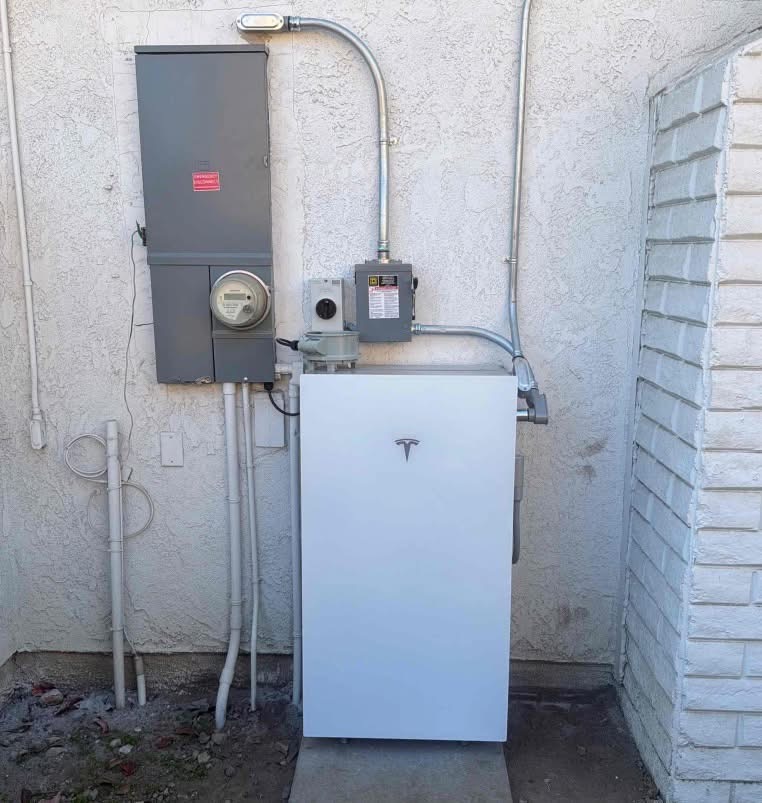
Store midday solar production and use it during expensive evening peak hours — turning exported energy into owned savings.
California's Self-Generation Incentive Program (SGIP) provides significant rebates for battery storage systems. These rebates are separate from solar panel incentives and apply specifically to the battery component of a solar-plus-storage installation.
General market residential customers can apply for SGIP rebates on qualifying battery storage systems. Rebate levels are set in "steps" and decrease as program funding is allocated. As of 2026, availability varies by utility territory and current step status.
California homeowners in high-fire-threat districts, low-income households, or medical baseline customers qualify for significantly enhanced SGIP rebates. These equity-oriented tiers are designed to make battery backup more accessible to vulnerable populations and communities most affected by PSPS (Public Safety Power Shutoff) events.
In most cases, SGIP rebates are applied as a direct reduction in the cost of the battery at the time of installation. Your installer files the rebate application on your behalf. This reduces the total project cost — and in a Propel Financing structure, can reduce the amount being financed, further lowering your monthly payment.
Your Propel proposal includes all applicable incentives for your specific utility territory, zip code, and system size. Free, no obligation.