Propel or Participate: It Depends on Your Zip Code
Both products use the commercial ITC structure. The right choice depends on whether your home is in an IRS-designated Energy Community zip code, your credit profile, and whether you want a Tesla Powerwall.
Propel Prices Out Better
Energy Community areas, many of which are former fossil fuel communities and rural CA counties, qualify for a 10% ITC adder. That brings the total discount to 39.2% of system cost. At that level, Propel's fixed-payment structure typically delivers more savings over the 25-year term than Participate's 30–35%.
Participate Often Wins
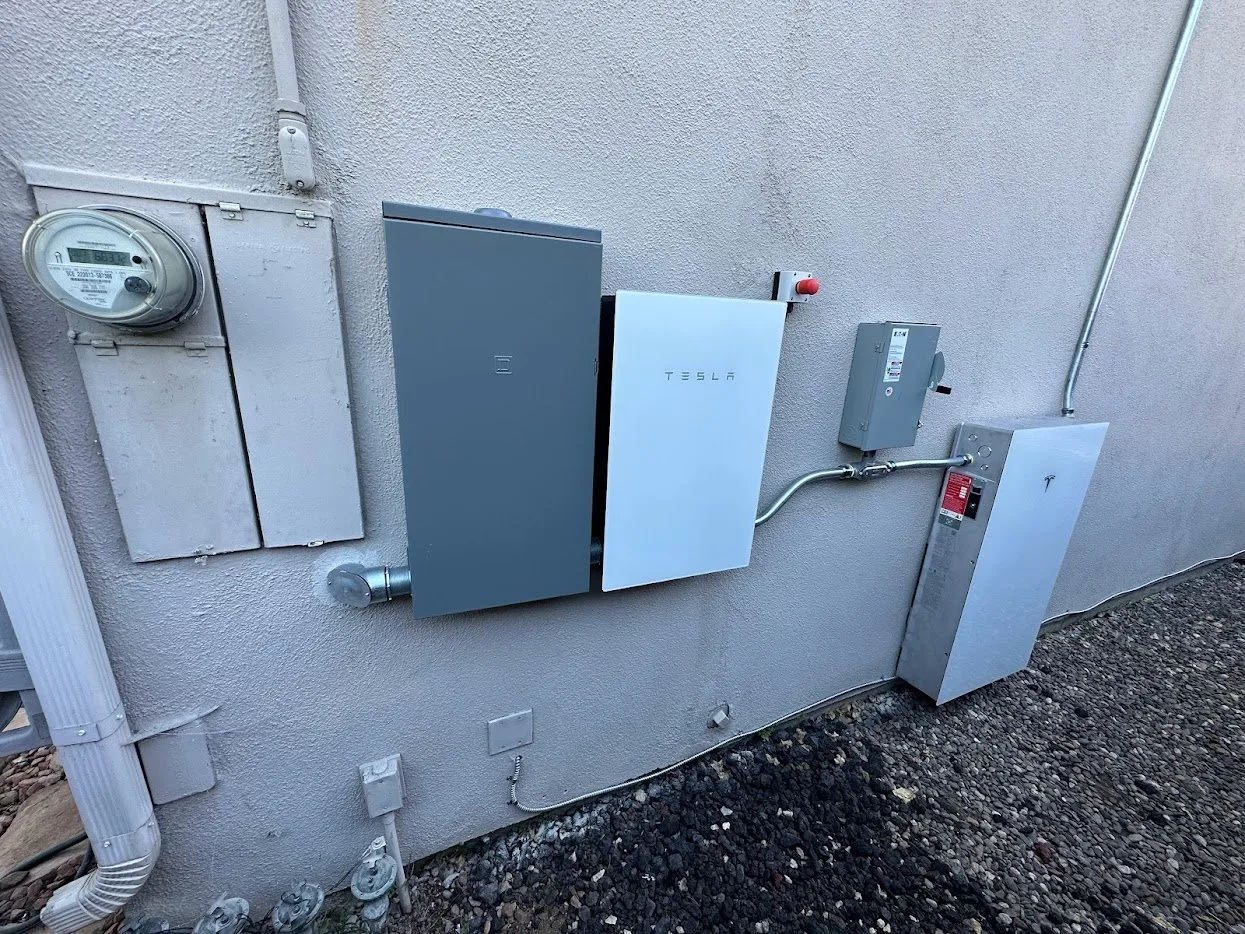
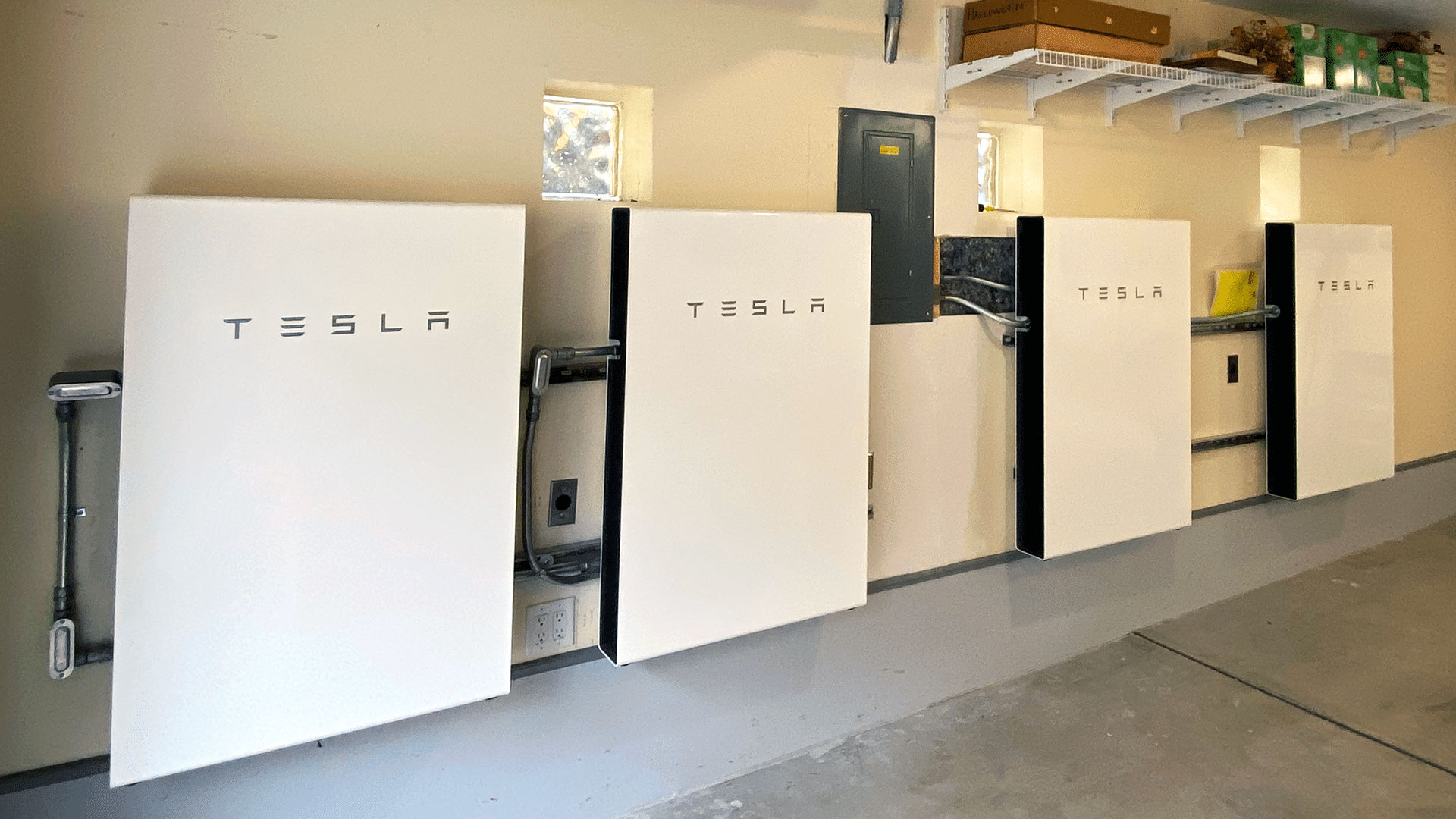
In standard zip codes, Participate Energy's Prepaid Lease often delivers better value, especially when you add a Tesla Powerwall 3. Its discount runs 30–35% depending on domestic content, with no dealer fee, no rate or pricing caps, and no lien on the home. Prepay in cash for no credit check and no monthly payment, or finance through Credit Human. If you cannot or prefer not to meet Propel's credit threshold, Participate is the right path.
The California Rule of Thumb
In Energy Community zip codes where the ITC is 39.2%, Propel typically prices out better. In non-EC zip codes, Participate Energy's Prepaid Lease at 30–35%, especially with a Tesla Powerwall 3, often delivers better value. Not sure which applies to your address? The free assessment identifies your zip code status in seconds.
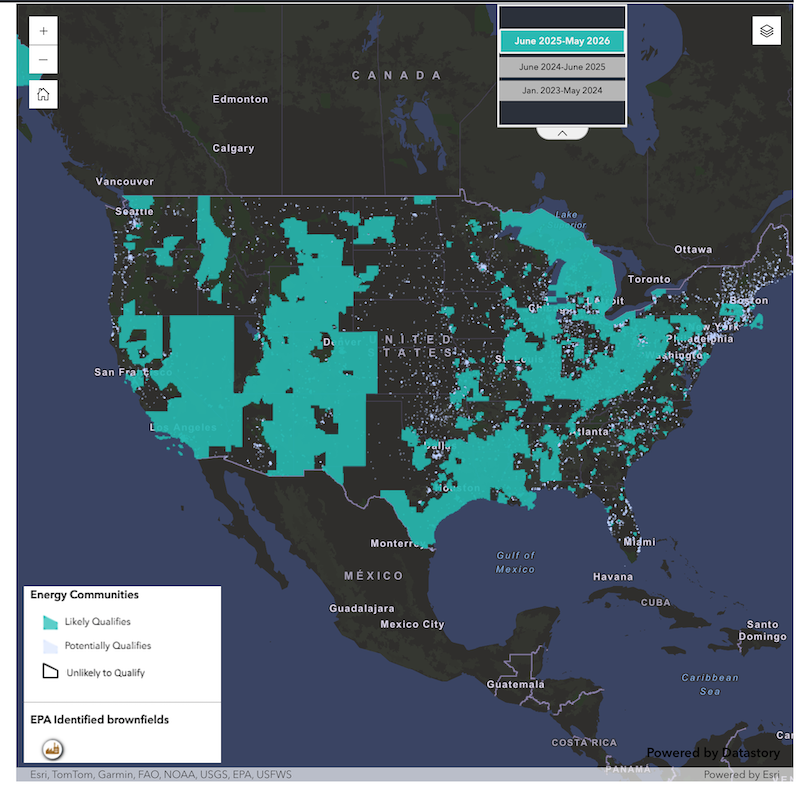
IRS-designated Energy Community zip codes in California. EC areas qualify for Propel's 39.2% discount.
| Factor | Propel Financing | Participate Energy |
|---|---|---|
| ITC discount rate | Up to 35–40% with storage | ~30% base (all zip codes) |
| Best zip code type | Energy Community (EC) | Non-EC / Standard |
| Payment structure | Fixed monthly, 25 years | One upfront prepayment |
| Credit check | Yes, 660 FICO minimum | No credit check |
| Tesla Powerwall option | No (Enphase IQ battery) | Yes |
| UCC lien | Yes (Concert Finance security interest) | No lien on the home |
| Ownership transfer | Automatic at Year 5 | Purchase option at Year 6 |
| LADWP eligible | No | No |