The IRS Energy Community designation unlocks an extra 10% clean energy bonus for homeowners in qualifying zip codes. Through Propel Financing by Concert Finance, that bonus gets passed directly to you as an upfront discount at signing, regardless of your personal tax situation.
Former fossil fuel communities, coal regions, and brownfield areas across the country carry IRS Energy Community designation. If your zip qualifies, your Propel discount goes from 30% to 40%, applied at signing before a single payment is made.
The IRS Energy Community designation was established under the Inflation Reduction Act to direct clean energy investment toward areas historically dependent on fossil fuel industries. It has nothing to do with a community program, a sign-up list, or a utility offer. It is a federal tax code classification tied directly to your zip code or census tract.
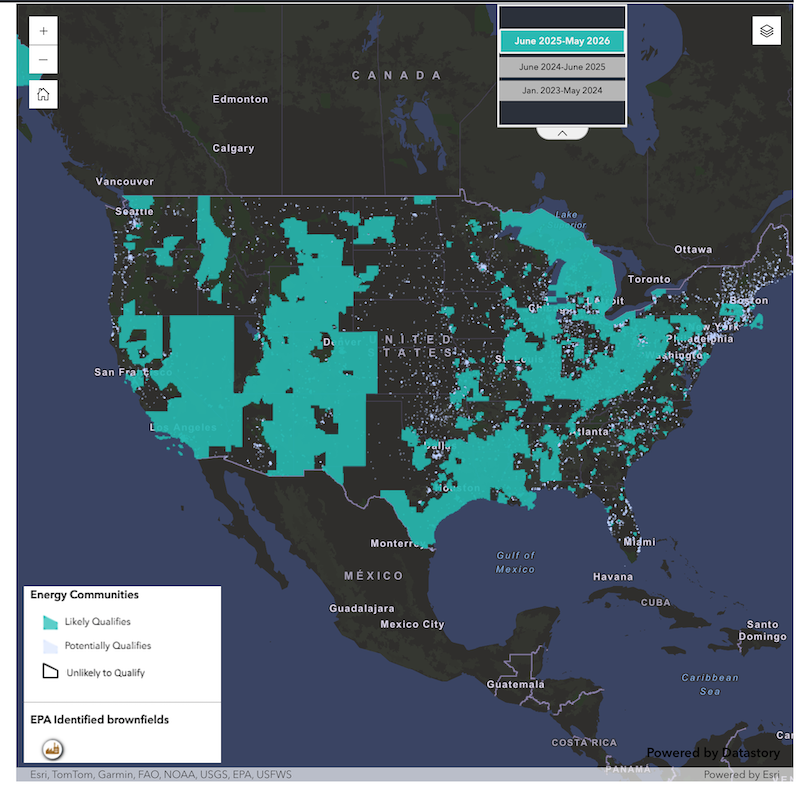
Qualifying areas span the entire country. Former coal towns in Appalachia, oil and gas communities in the Southwest and Gulf Coast, industrial brownfield zones in the Midwest and Northeast, agricultural regions with legacy fossil fuel ties, and dozens of other community types carry this designation. If your area has a history with fossil fuel employment or energy transition, there is a real chance your zip code qualifies.
Normally, this bonus applies only to commercial entities claiming the Investment Tax Credit (ITC) on clean energy property. Individual homeowners cannot claim it directly. But through Propel Financing, the structure changes entirely.
Think of it as a tax benefit that was always available, just reserved for a different type of taxpayer. Propel is the bridge that makes it yours.
Most homeowners have heard the pitch before: go solar, claim the 30% federal tax credit, reduce your install cost. The catch? You need significant personal tax liability to use it. Propel is structured to solve exactly that problem.
At signing, Concert Finance — the entity behind Propel — temporarily holds commercial ownership of your solar system. This is called an Energy Service Agreement (ESA). You use the system on day one. Concert Finance holds the title for tax purposes during the first five years.
As a commercial owner of clean energy property, Concert Finance can claim the full Investment Tax Credit plus bonus accelerated depreciation. In an Energy Community zip code, that credit is 40%. Non-qualifying areas receive the standard 30%. They also capture MACRS accelerated depreciation, which amplifies the total savings further.
Rather than pocketing those tax benefits, Concert Finance passes the value directly back to you. The result: your gross system cost drops by 30% or 40% before your 25-year fixed loan is calculated. That is not a rebate that arrives later. The discount is built into your financed amount from day one.
Once the discount is applied, the remaining balance is financed at 7.79% APR over 25 years with a fixed payment. No dealer fees. No escalating payments. No prepayment penalty. You are paying off a system that already had 30 to 40% shaved off its cost before the loan was written.
At the end of year five, title transfers from Concert Finance to you at no additional cost. From that point forward, you own the solar panels, the Enphase battery, and every kilowatt-hour they generate outright. You have been paying down the loan since day one — the ownership transfer is simply the legal formality completing what was always the plan.
This is the part that surprises most people. The residential ITC expired in late 2025, and even when it existed, you needed meaningful federal tax liability to use it. Propel bypasses that requirement entirely. Concert Finance claims the commercial version — your W-2, your refund status, your tax bracket are irrelevant to the discount you receive.
On a typical residential solar install, a 10-point difference in the upfront discount translates to thousands of dollars off the financed amount and a meaningfully lower monthly payment. The system size is the same. The hardware is the same. The only difference is your zip code.
| Detail | Standard Propel (30% Discount) | Energy Community Propel (40% Discount) |
|---|---|---|
| Example gross system cost | $60,000 | $60,000 |
| Propel discount applied at signing | $18,000 (30%) | $24,000 (40%) |
| Financed amount | $42,000 | $36,000 |
| Estimated monthly payment (25yr / 7.79%) | ~$318/mo | ~$273/mo |
| Payment escalation | None | None |
| Tax liability required from homeowner | None | None |
| Ownership transfer | Year 5 | Year 5 |
| Hardware | Qcells 410W panels + Enphase IQ8HC microinverters + Enphase battery | |
Monthly payment estimates are illustrative based on a $60,000 gross system cost. Your actual system size, cost, and payment will vary based on your home's energy consumption, roof, and utility provider. Discount eligibility is confirmed at proposal stage.
The IRS draws from three main categories to define Energy Community areas. Thousands of zip codes and census tracts across the US qualify under one or more of them. Your address is confirmed at the proposal stage.
Areas where a meaningful share of local employment or tax revenue has historically come from coal, oil, or natural gas extraction, processing, or pipeline operations. This covers a wide swath of states from Appalachia to the Gulf Coast to the Mountain West.
Zip codes or census tracts that include, or are adjacent to, a coal mine or coal-fired power plant that has closed or significantly curtailed operations. These tend to be concentrated in West Virginia, Kentucky, Pennsylvania, Wyoming, and parts of the Midwest.
Census tracts containing a brownfield site, defined as real property where expansion, redevelopment, or reuse may be complicated by contamination from prior industrial use. These exist in virtually every state, including many suburban and semi-rural areas.
Large portions of Kern, Fresno, Kings, and Tulare counties qualify due to historical fossil fuel employment. Combined with California's high utility rates, the 40% discount produces some of the most compelling Propel numbers in the country.
Major oil and gas employment regions across Texas, Oklahoma, Louisiana, and surrounding states contain significant Energy Community coverage. Many homeowners in these areas qualify without realizing it.
Homeowners outside the regions above still receive the standard 30% Propel discount with no tax liability required and the same 25-year fixed structure. Your zip will be confirmed at proposal. If you qualify for 40%, it is applied automatically.
Energy Community maps are maintained by the IRS and Treasury and updated annually. The fastest way to confirm your address is to run a Propel proposal. We check your zip automatically and apply the higher discount where eligible.
The federal residential solar Investment Tax Credit expired in late 2025. For homeowners who have been waiting to go solar until they had enough tax liability, or who were told by other companies to wait for the credit, that window has closed. Propel operates on commercial tax law, which remains intact.
The residential ITC required you to owe at least 30% of your system cost in federal taxes. Retirees, homeowners with low taxable income, or anyone who got large refunds could not fully use it. Some companies offered ITC-bridge loans as workarounds, which added cost and complexity.
Propel's commercial ownership structure means Concert Finance claims the credit, not you. Your W-2, your tax bracket, whether you get a refund or owe money, none of it affects your discount. A retired homeowner on a fixed income qualifies for the exact same discount as a high-earning household. The discount is structural, not conditional on your personal tax situation.
This is the most common piece of misinformation circulating right now. Solar companies and comparison sites that rely on the residential ITC as their primary financing angle are struggling to compete. But Propel never depended on the residential credit in the first place.
The commercial ITC, bonus depreciation, and Energy Community adder are alive and functioning. Propel was designed specifically around this commercial structure from the start. The expiration of the residential credit actually widened Propel's advantage over traditional financing models that depended on it.
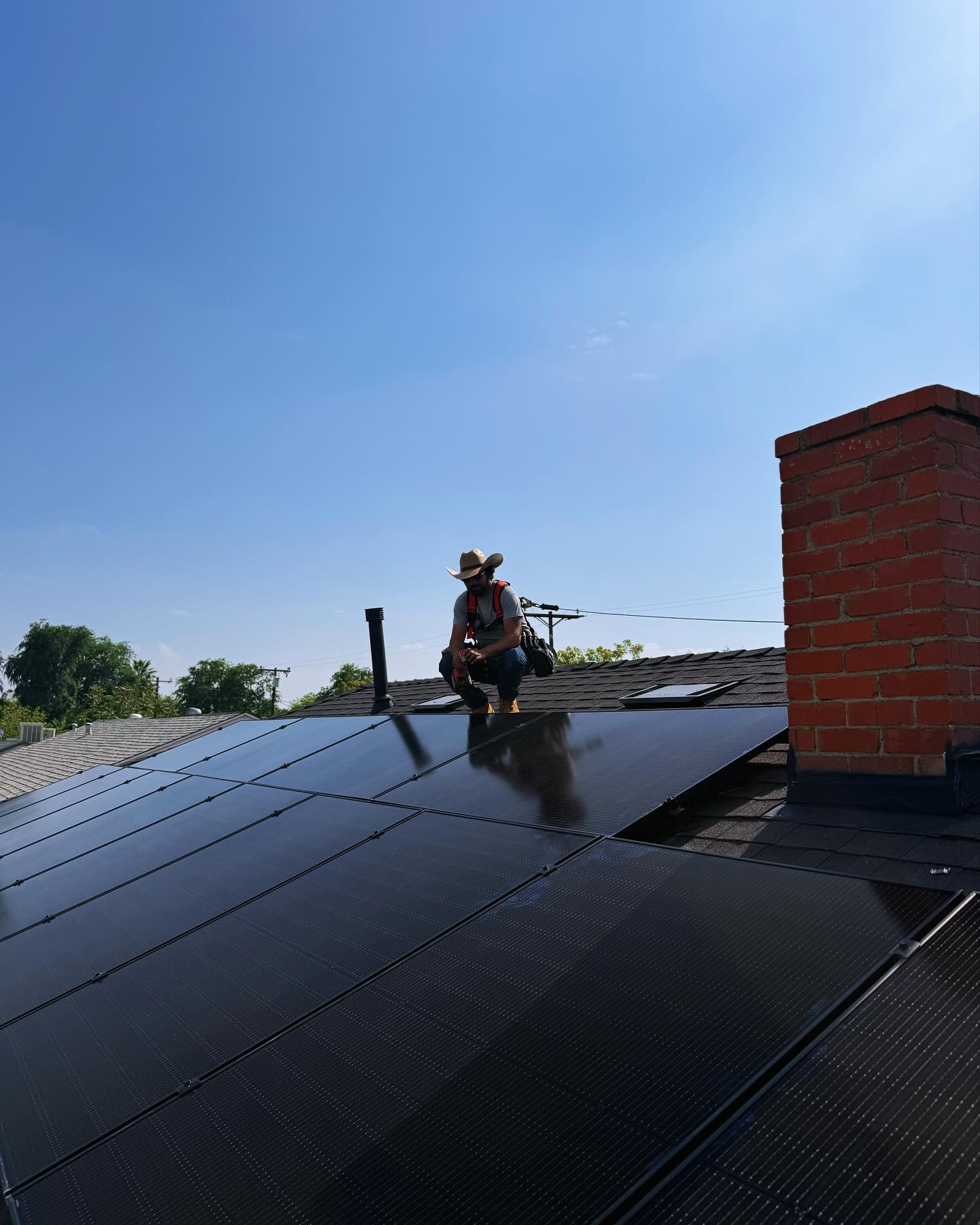
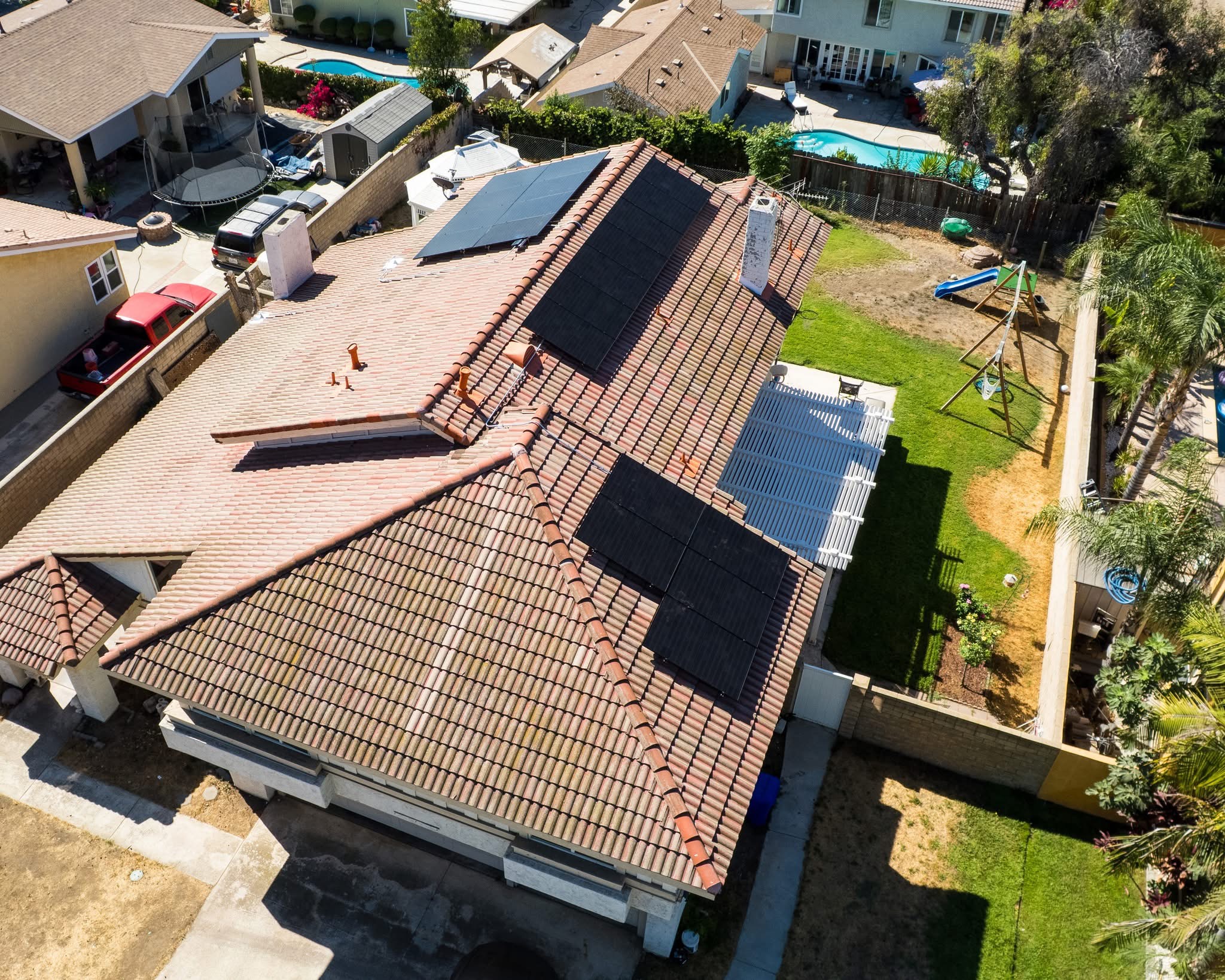
The two homeowners below are in IRS-designated Energy Community zip codes in California. Both received the 40% Propel discount applied before financing. These are actual proposals with actual numbers, shown as real examples of what the EC bonus produces.
The most common questions we get from homeowners in qualifying areas.
We will confirm your Energy Community status and build a Propel proposal specific to your home, roof, and utility bill. Free, no credit check, no door-knock follow-up.