Participate Energy Review: What the Prepaid Lease Really Costs

We place homeowners into both Participate and Propel, so this is written to help you choose rather than to sell one. The discount mechanics, the buyout, the credit check reality, and the cases where it is the wrong product.

Full Program Terms
⚡
Founded by Tesla Energy Alumni
|
📈
350+ MW Deployed
|
🏠
1,000+ Residential Systems
|
📍
8 States, Illinois Soon
The Verdict First

Who Participate Energy Is Actually Right For

We place homeowners into both Participate and Propel, so we have no reason to talk one up. Here is the honest read on where Participate wins and where it does not.

Poor fit

Anyone who wants title on day one. Participate owns the system through the term, with a purchase option from Year 6.

Manufactured and mobile homes, apartments, most condos. Not eligible, because the program requires owning ground to roof.

Solar-only ground mounts. Not supported without a Powerwall 3 for the safe-harbor pathway.

Homeowners in Energy Community zip codes. Propel’s bonus stacking usually wins there instead.

*
Rates and discount tiers change, and program terms have been moving. Every APR, discount percentage and payment figure on this page reflects the program terms we had on record at the time of writing, and the rate quoted on a proposal issued today may be higher. Pricing is locked when your loan is signed, not when you first see a number, so the practical advice is to move while a quote is live.
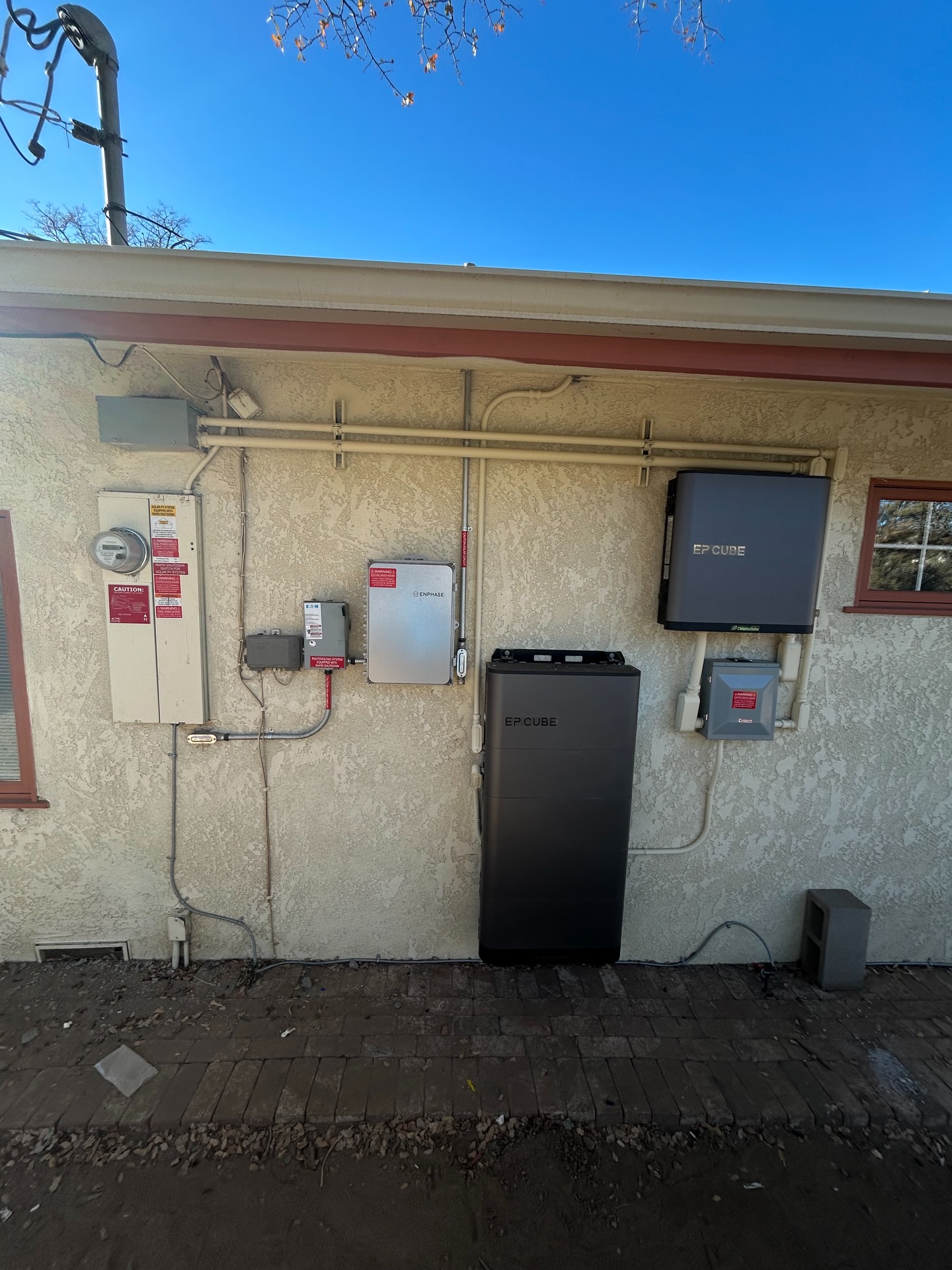
Home battery storage system installed under a prepaid lease agreement
The Discount Question

Why Two Homeowners Get Two Different Percentages

This is the single most misunderstood part of the program, and the reason one quote says 30% and another says 35% on similar houses.

System designDiscountWhy
Domestic-content solar + domestic-content battery35%Both halves qualify, so the full bonus applies
Powerwall 3 used as the system inverter30%The solar side stops counting as domestic content
Powerwall 3 as battery + Enphase or SolarEdge inverters35%Keeps both halves qualifying
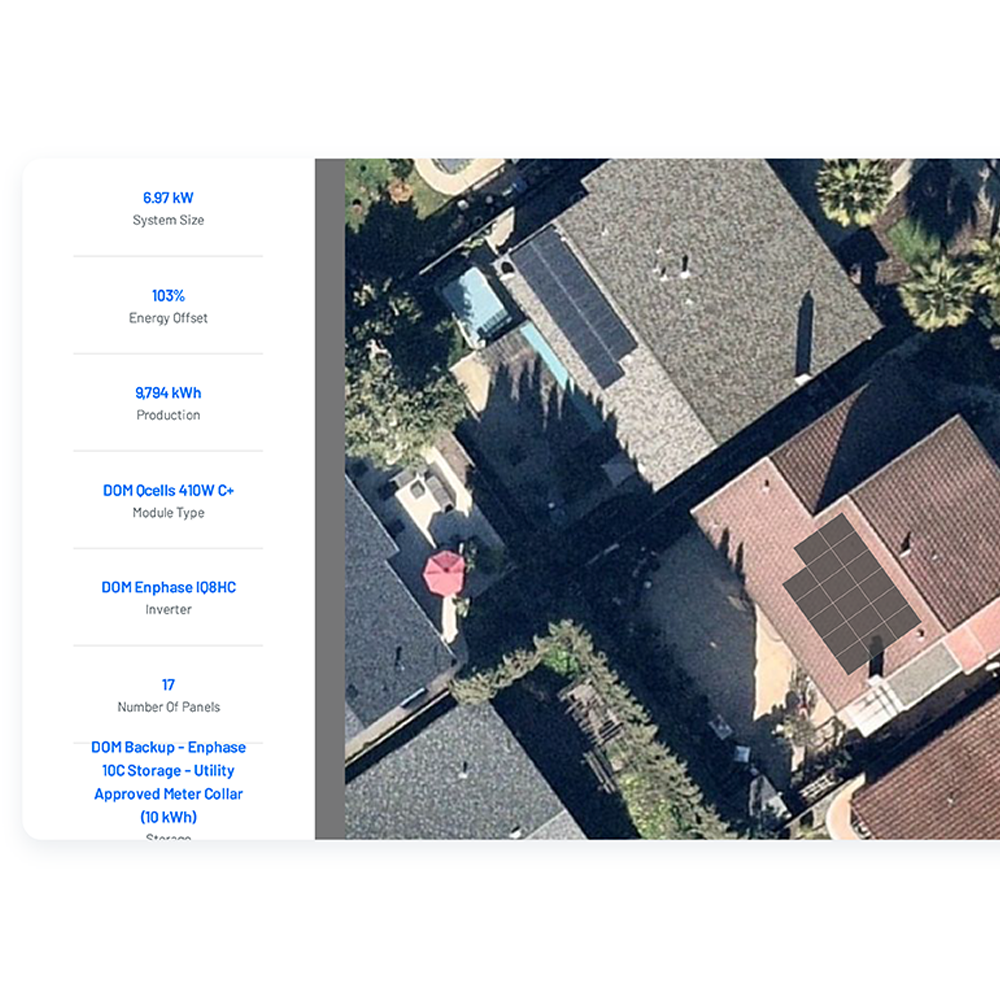
Proposal design slide showing panel layout and battery placement on a home
Every proposal shows the actual panel layout and battery placement for your roof.

The counterintuitive part: the 30% design is frequently the better deal. Using the Powerwall 3 as the inverter removes the cost of a separate Enphase or SolarEdge system entirely, and the hardware saved often exceeds the extra 5%. Ask for both designs priced out in dollars rather than percentages. A larger discount on a larger number is not automatically a win.

Questions We Get

Participate Energy: The Questions Reviews Usually Skip

Answered from the current program terms rather than from marketing material.

Is Participate Energy legitimate?
Yes. Participate Energy was founded by a team out of Tesla’s energy organization, with CEO Steven Pollock having previously led Tesla's energy org, alongside founders Ethan and Lori Friedman, who have a long track record in tax-advantaged energy transactions. The team has deployed more than 350 MW of rooftop solar across over 1,000 residential systems. The prepaid lease structure itself is standard third-party ownership, which has been part of residential solar for well over a decade.
What is the actual discount, 30% or 35%?
Both figures are real and the difference is domestic content. When both the solar and the battery qualify as domestic content, it is 35%. When a Tesla Powerwall 3 serves as the system inverter, the solar side stops counting as domestic content and the discount is capped at 30%. Here is the part most reviews miss: the Powerwall-as-inverter design is often cheaper overall even at 30%, because it removes the cost of a separate inverter system. Take the higher percentage only if the dollars actually work out.
What are the real drawbacks?
Three worth weighing honestly. You do not own the system during the term, and the Year 6 buyout is set at fair market value that cannot be quoted in advance, so nobody can promise you a number today. The solar and battery terms run separately at 25 and 10 years, which means the battery term ends first and needs a decision before it does. And if you finance the prepayment through Credit Human's secured product, that is a UCC Secured loan which does file a UCC-1 on the equipment.
Do you really not need a credit check?
For the lease itself, correct, there is no FICO requirement when you prepay in cash. If you finance the prepayment through Credit Human, that is genuinely underwritten: Equifax primary, 680 and above is an instant approval, 650 to 679 goes to manual review, and 649 and below is an instant decline. Any review telling you the financed path involves no credit check is wrong.
How does the Year 6 buyout actually work?
The purchase option opens at Year 6 and is available on each anniversary after. Participate sets a fair market value at the time you exercise it. Because you have already prepaid 100% of the lease, the intent is that the buyout is $0 or a low incremental amount, and you are never required to pay more to keep the arrangement running. Participate cannot guarantee a specific future figure, so treat any precise number quoted today as an estimate.
What does it cost, and can I pay monthly?
The prepayment is your system price minus the 30 to 35% discount. You can pay it in cash, in which case there is no monthly payment at all, or finance it through Credit Human. Financing runs as a UCC Secured product at 120, 180 or 240 months and 8.99% APR for $7,500 to $100,000, or unsecured at 60 or 84 months and 9.99% APR for $2,500 to $30,000. Neither carries a dealer fee or prepayment penalty.
Who is it not a good fit for?
Anyone who wants outright ownership from day one. Owners of manufactured or mobile homes, apartments and most condos, which are not eligible. Anyone wanting a solar-only ground mount, since that needs a Powerwall 3 for the safe-harbor pathway. And anyone outside California, Colorado, Connecticut, Florida, Hawaii, Massachusetts, New Jersey or Texas, though Illinois is expected soon.
How does it compare to Propel?
Participate has no FICO requirement on the lease, no project or system size caps, an all-cash option with no monthly payment, and accepts rental and investment properties. Propel reaches a higher ceiling in Energy Community zip codes, accepts manufactured homes built after June 15 1976 and multi-unit properties, but requires a 660 FICO and is a loan rather than a lease. Neither is universally better.

See the full Participate program terms, all 20 rows →

Or compare Participate against Propel on the same home →

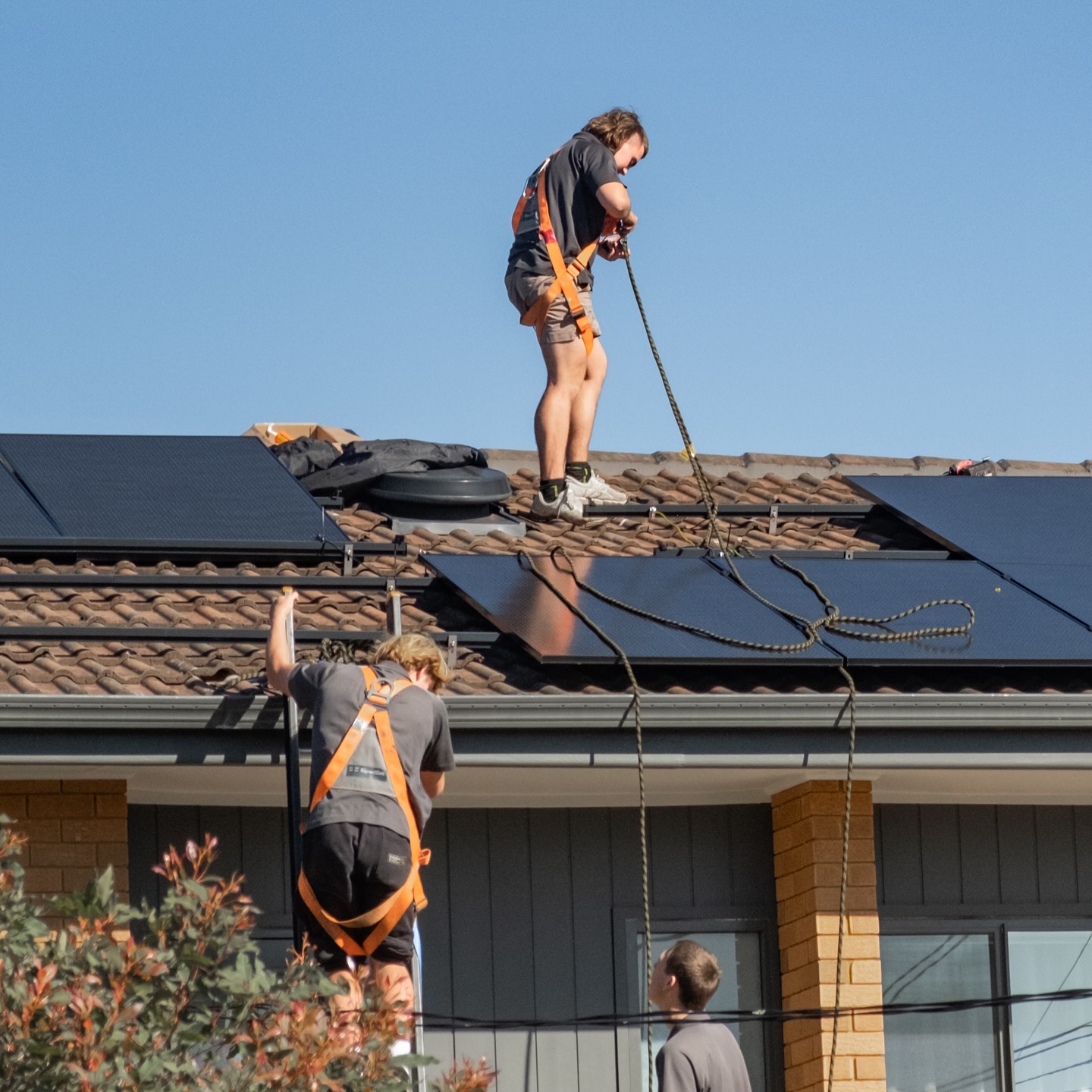
Installation crew mounting solar panels on a tile roof

Find Out Which Program Wins on Your Roof

We run Participate and Propel against your actual utility rate and roof, then show you both sets of numbers before you decide.
Takes 2 minutes · No obligation